Sustainable Textile Production

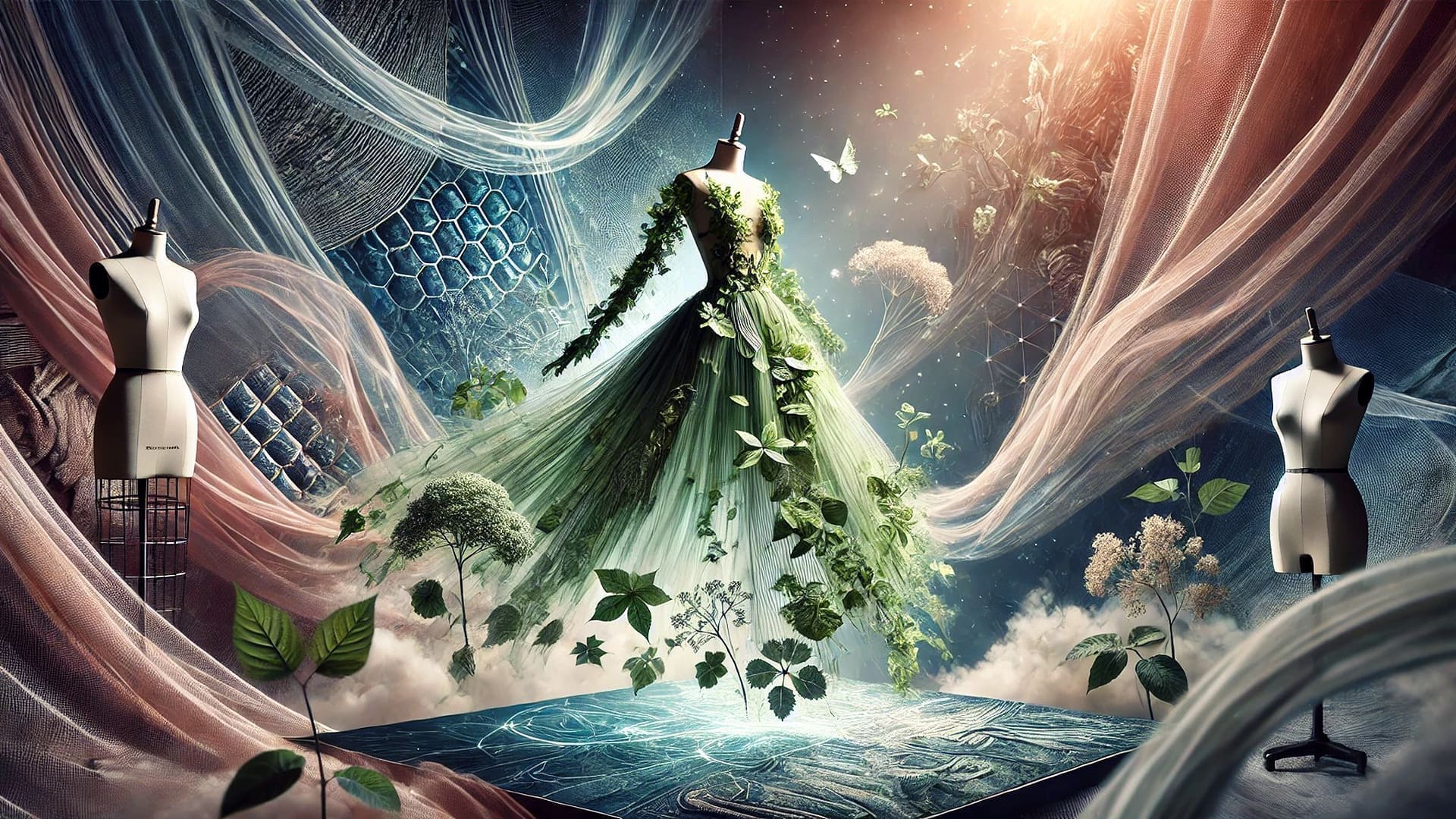
Although the textile industry is one of the fastest-growing sectors in the world, it also draws attention with its environmental impact.
Nowadays, not only stylish designs but also a nature-friendly production approach has become one of the most important factors determining a brand’s value.
Sustainable textile production is one of the strongest steps taken to protect both nature and the future.
So, what does truly sustainable production mean, and how do companies implement it?
🌱 1. What is Sustainable Textile?
Sustainable textile means adopting an environmentally conscious, ethical, and efficient approach at every stage of the production process.
This approach is not limited to the fabrics used; it covers a wide range of processes, from raw material selection to energy usage, and from packaging to recycling.
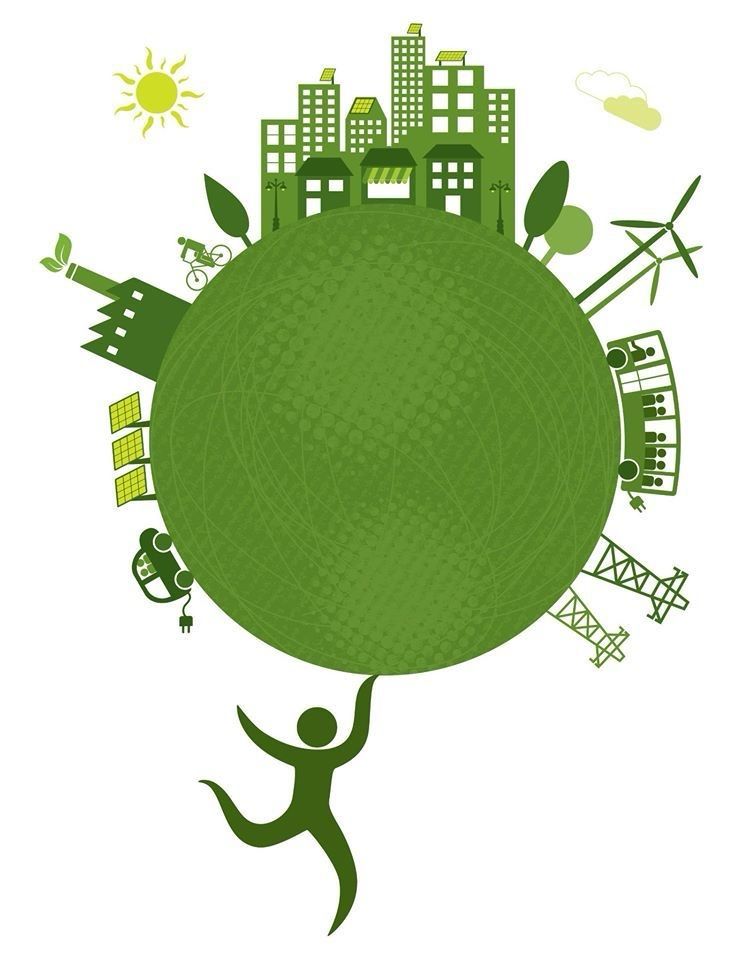
The main goal of sustainable production is to prevent resource waste, reduce the carbon footprint, and maintain the natural balance.

Although the textile industry is one of the fastest-growing sectors in the world, it also draws attention with its environmental impact.
Nowadays, not only stylish designs but also a nature-friendly production approach has become one of the most important factors determining a brand’s value.
Sustainable textile production is one of the strongest steps taken to protect both nature and the future.
So, what does truly sustainable production mean, and how do companies implement it?
🌱 1. What is Sustainable Textile?
Sustainable textile means adopting an environmentally conscious, ethical, and efficient approach at every stage of the production process.
This approach is not limited to the fabrics used; it covers a wide range of processes, from raw material selection to energy usage, and from packaging to recycling.
The main goal of sustainable production is to prevent resource waste, reduce the carbon footprint, and maintain the natural balance.
🧵 2. The Importance of Eco-Friendly Fabrics
Synthetic fabrics and chemicals used in traditional production methods harm the environment.
Therefore, from 2025 onwards, natural, recyclable, and organic materials are coming to the forefront.
Most preferred sustainable fabric types:
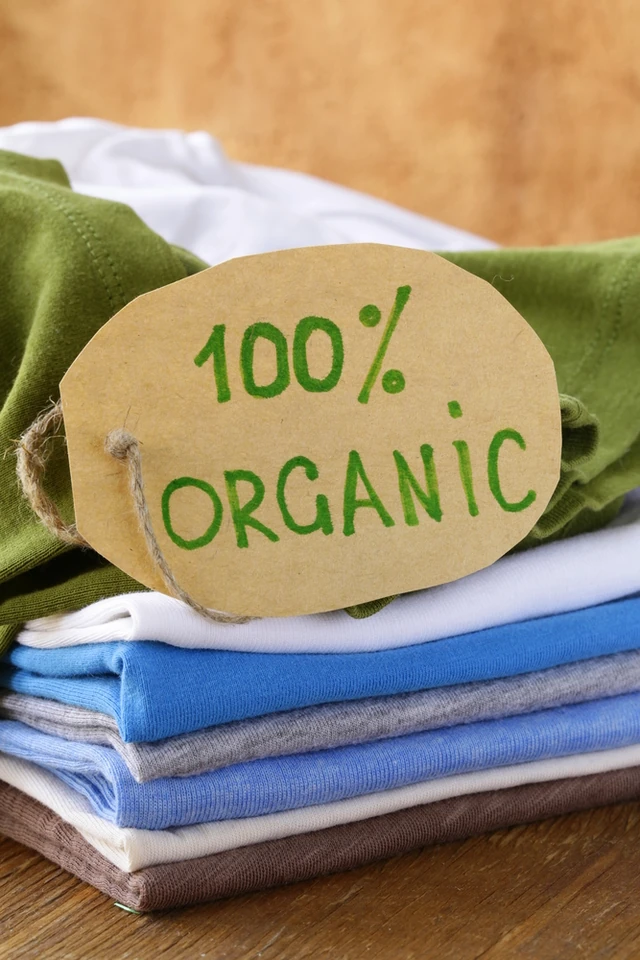
🌿 Organic Cotton: Produced without chemical fertilizers or pesticides.
🌾 Hemp: Provides durable and long-lasting products.
🧶 Tencel & Lyocell: Made from wood fibers sourced from sustainable forests.
♻️ Recycled Polyester: Obtained by reprocessing plastic waste.
These fabrics protect the environment while offering a breathable and comfortable experience for the user.
⚙️ 3. Sustainability in the Production Process
Using eco-friendly fabrics is as important as being environmentally conscious during production.
The following practices are highlighted in sustainable production:
💧 Water-Saving Dyeing Techniques: Save up to 70% water compared to traditional methods.
🔋 Energy Efficiency: Production using solar energy and low-consumption machines.
🧪 Avoiding Harmful Chemicals: Production in compliance with standards like OEKO-TEX® protects human health.
♻️ Waste Management: Fabric scraps are recycled to produce new yarn and accessories.
These methods provide benefits not only for the environment but also for economic efficiency and brand reputation.
🌍 4. Social Responsibility and Ethical Production
Sustainability is not limited to the environment; respectful treatment of people is also fundamental.
Ethical production includes social values such as fair working conditions, safe environments, and support for local employment.
At Taşkın Moda Textile, we value the efforts of our employees and carry out our production process in a way that is conscious of both people and the environment.
♻️ 5. The Future of Fashion: Less but Better
A new era is beginning in the fashion world: “Fast fashion” is giving way to “conscious fashion”.
Consumers now prefer long-lasting, timeless, and eco-friendly products.
This transformation is also leading brands to change their production strategies.
Producing fewer but high-quality, durable, and ethical products is now the fashion approach of the future.
💬 6. Sustainability is Not a Choice, It’s a Responsibility
Sustainable textile production protects not only the environment but also the future of brands.
Companies that produce with environmental awareness gain trust from society and ensure stable growth in the long term.
🌿 At Taşkın Moda Textile, we advance with respect for nature, people, and quality at every step of production.
Because we know that real fashion is sustainable fashion.