2. Check the Fabric Content
Many people make decisions by only looking at the fabric’s texture, but the content information on the label is just as important.
Natural fibers (cotton, linen, silk, wool) prevent sweating with their breathable structure, while synthetic fibers (polyester, nylon, elastane) increase durability.
If you want to use it for a long time, blended fabrics of natural and synthetic fibers are the most ideal choice.
3. Choose Fabric Suitable for the Season
The compatibility of the fabric with the season directly affects your comfort:
In summer: Light and breathable fabrics such as cotton, linen, and viscose.
In winter: Warm fabrics like wool, velvet, cashmere, or fleece.
Choosing fabrics suitable for the season is important for both health and style.
4. Check the Fabric’s Texture and Quality
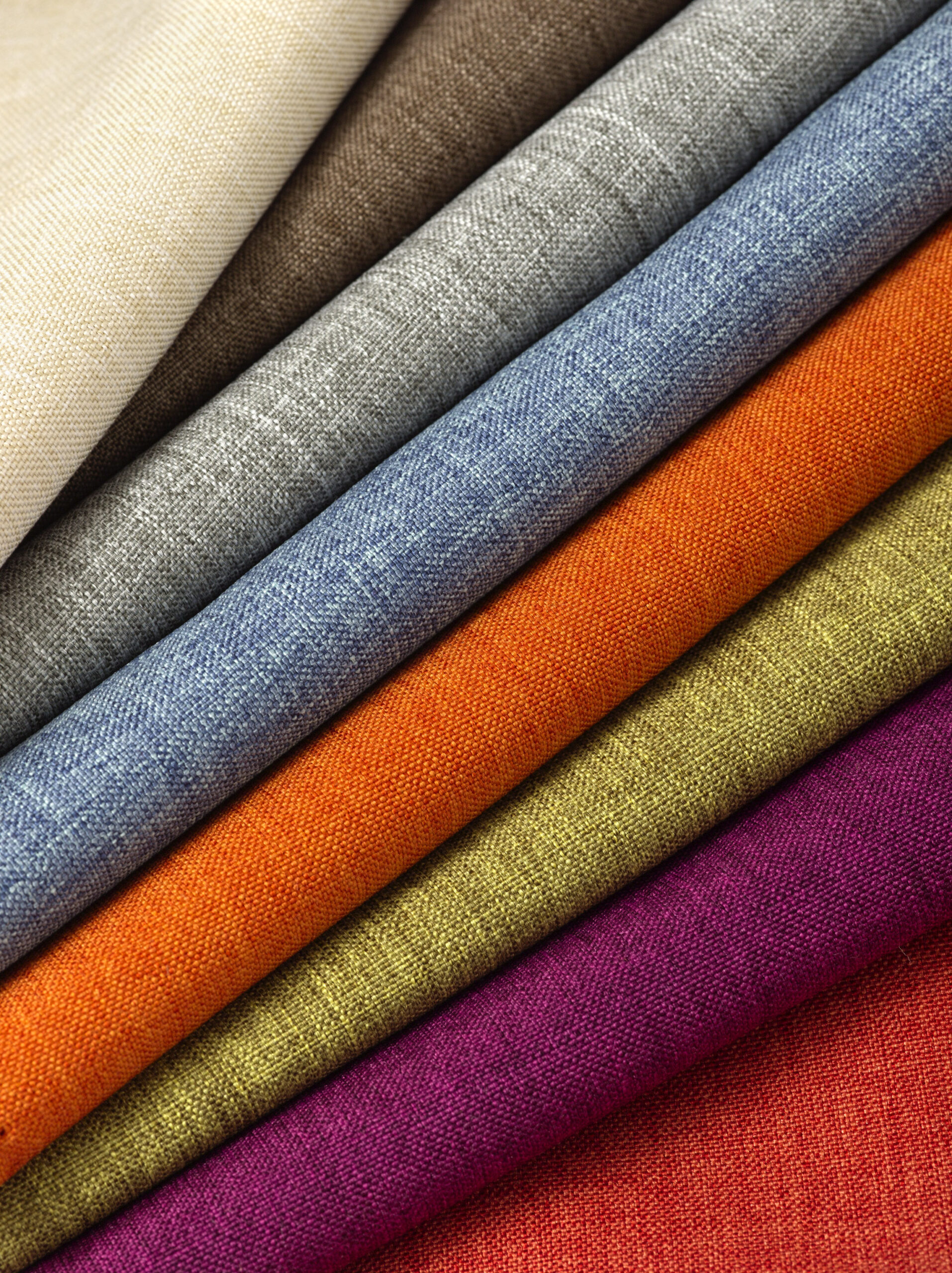
High-quality fabric reveals itself at first touch.
Soft, firm, and non-stretching fabrics are long-lasting. Also, pay attention to how the fabric looks when held up to the light — very thin and transparent fabrics are usually low-weight and may deform quickly.
5. Test Color and Pattern Durability
For fabrics with bright colors, dye quality is very important.
Lightly wet the fabric and wipe it with a white cloth — if the color bleeds, the fabric’s dye is of poor quality.
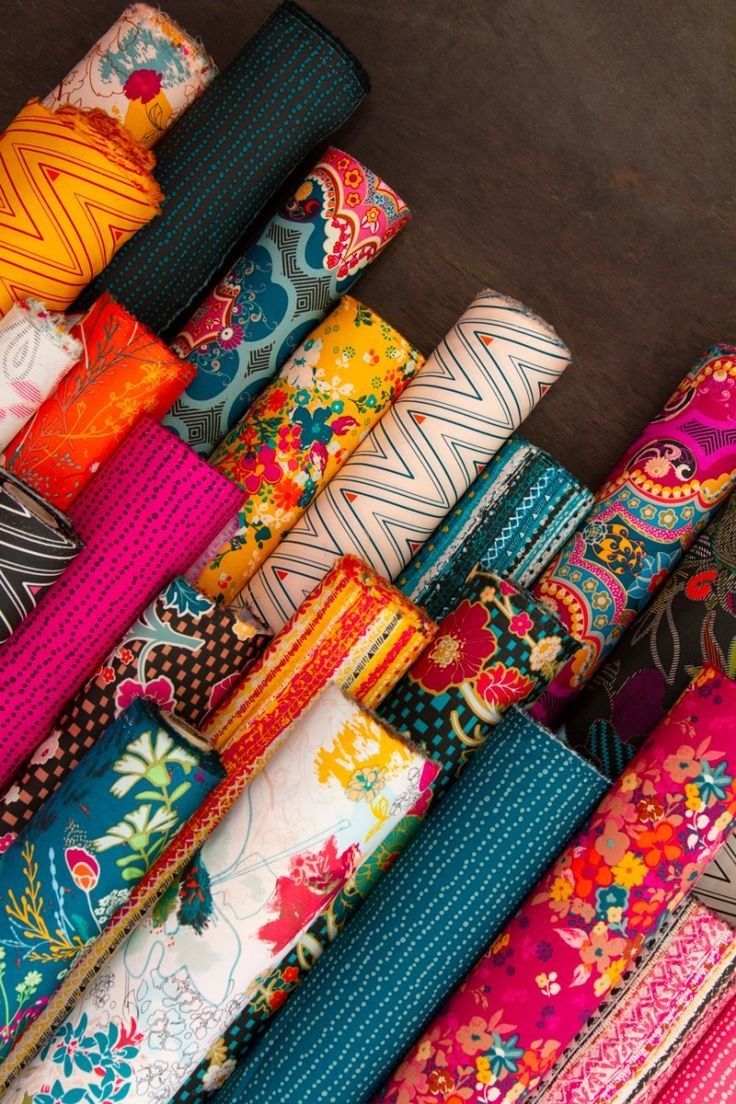
Also, check whether the patterns are printed or woven. Woven patterns are much more durable.
6. Consider Stretch and Shrinkage
Especially if you are buying fabric for clothing, make sure to know the shrinkage rate after washing.
Some cotton and viscose fabrics may shrink 3–5% after the first wash.
Therefore, leaving a little extra allowance when buying fabric is a good idea.
7. Review Care Instructions
Each fabric has different cleaning and care requirements.
Some fabrics require hand washing, while others need dry cleaning only.
Checking the fabric care label extends the product’s lifespan and preserves its appearance.
The Right Fabric is the Key to a Quality Product
Fabric selection is not only about aesthetics but also very important in terms of functionality and comfort.
If you make your choice considering the usage area, season, and fabric characteristics, you will achieve long-lasting and high-quality results.
Remember, behind every successful design is a fabric that has been chosen correctly.